
The collective meaning of carnival: a way of living together, passing on values, and building hope
##plugins.themes.bootstrap3.article.sidebar##
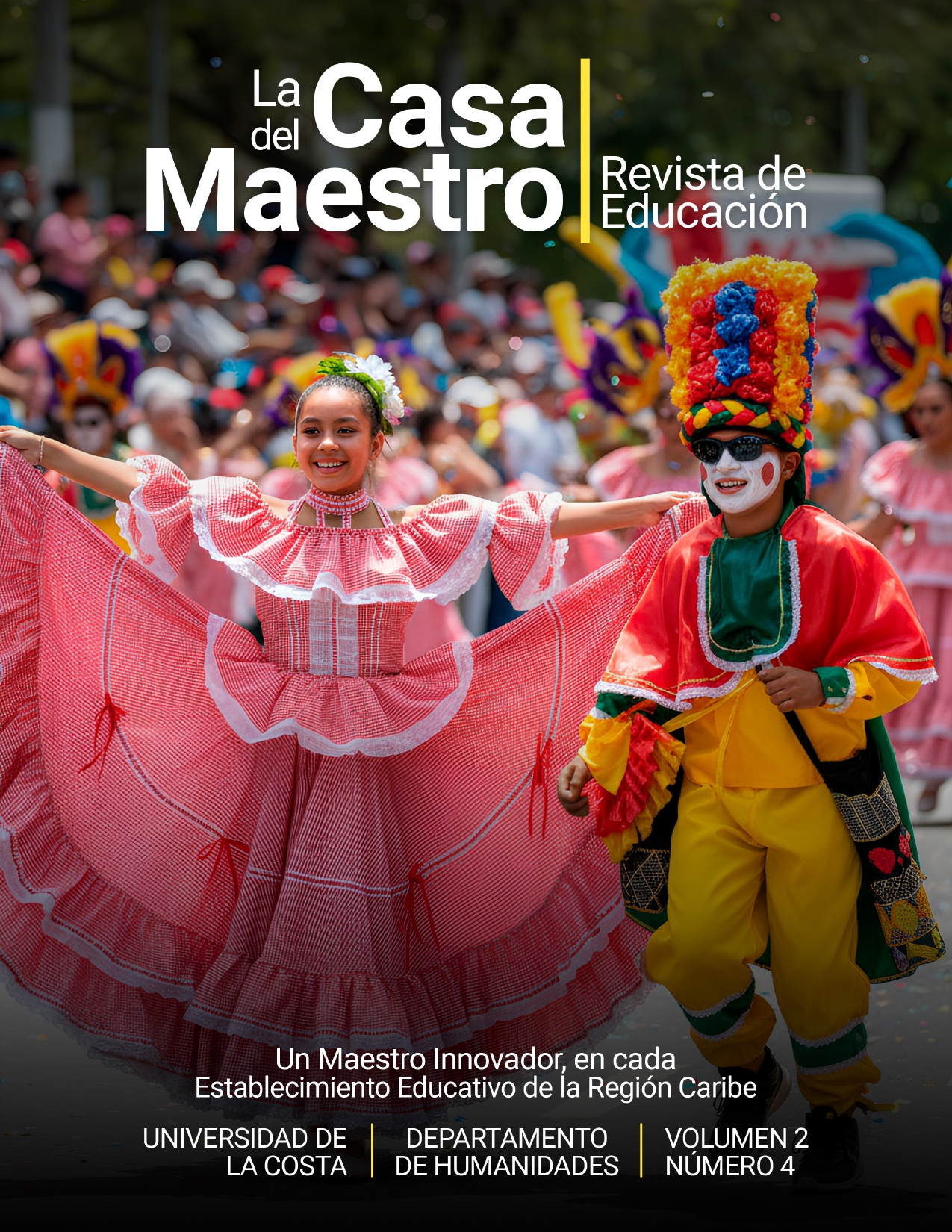
##plugins.themes.bootstrap3.article.main##
Abstract
This study analyzes the Barranquilla Carnival as a collective space where people coexist, values are inherited, and hope is built, especially from the perspective of childhood. The objective of this article was to understand the cultural and symbolic meanings that this festivity represents for the community, based on the experiences of children involved in cultural seedbeds. A qualitative approach was used, including participant observation, content analysis, and children’s symbolic cartography. Through drawings, colors, stories, and responses to open-ended questions, the participants expressed their emotions, memories, and visions of the carnival. The role of cultural facilitators who support the formation and transmission of festive knowledge was also considered. The results reveal that the carnival is much more than a celebration: it is a living practice that strengthens identity, promotes symbolic resistance, and fosters values such as peace, diversity, and unity. The children actively reinterpret the tradition, projecting an ideal future based on these principles. The combination of methodologies allowed for a deep understanding of the shared meanings surrounding the carnival, highlighting its value as a pedagogical and community tool. It was concluded that the Barranquilla Carnival constitutes a living cultural heritage that, beyond the spectacle, builds community, strengthens collective memory, and inspires hope, playing a fundamental role in educational, symbolic, and social identity processes.
Downloads
##plugins.themes.bootstrap3.article.details##
Los artículos publicados son de exclusiva responsabilidad de sus autores y no reflejan necesariamente las opiniones del comité editorial.
La Revista LA CASA DEL MAESTRO respeta los derechos morales de sus autores, los cuales ceden al comité editorial los derechos patrimoniales del material publicado. A su vez, los autores informan que el presente trabajo es inédito (original) y no ha sido publicado anteriormente.
Contrato de cesión de derechos patrimoniales de autor
Formato de certificación de originalidad del artículo por parte del autor
La revista LA CASA DEL MAESTRO se guía por las normas internacionales sobre propiedad intelectual y derechos de autor, y de manera particular por el artículo 58 de la Constitución Política de Colombia, la Ley 23 de 1982 y la ley 1915 de 2018.