
Implementation science frameworks for evaluating primary health care interventions in low- and middle-income countries: a scoping review
Article Sidebar
Main Article Content
Abstract
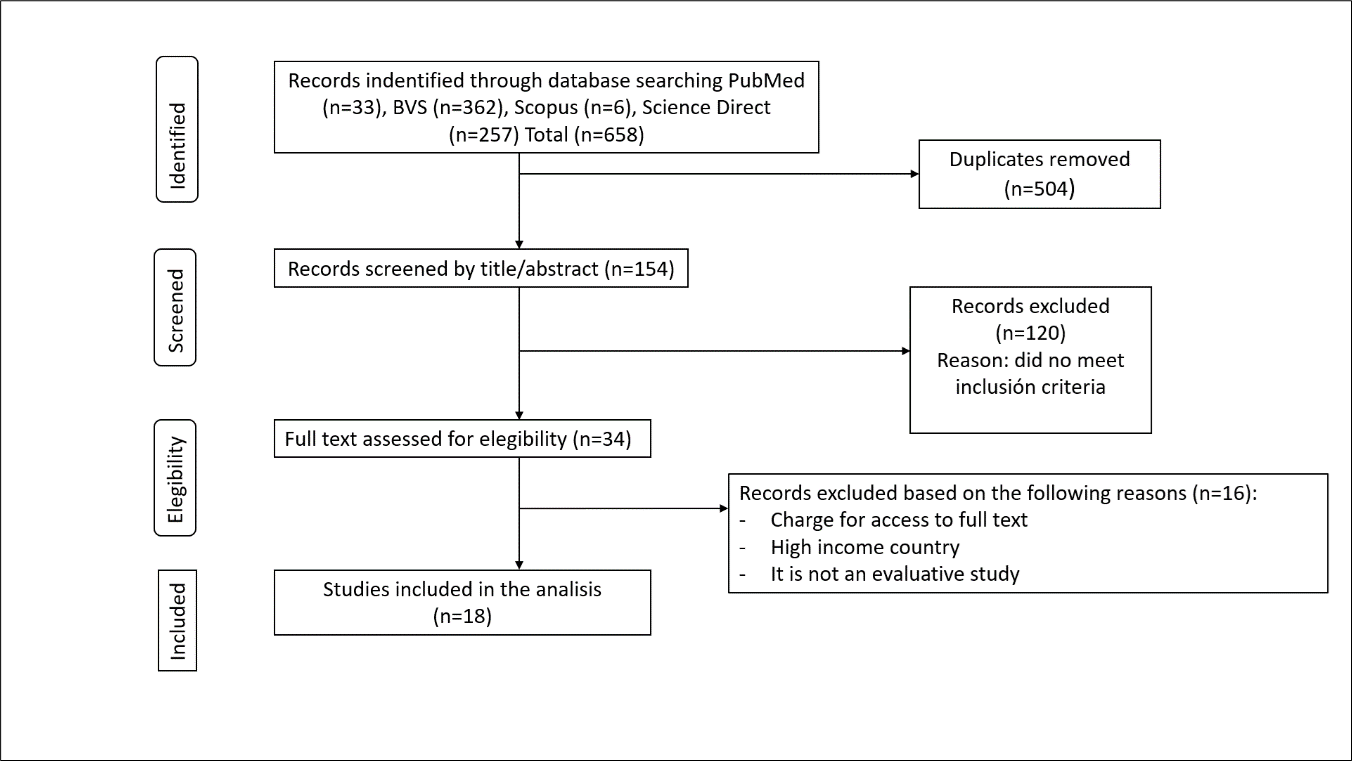
Primary Health Care (PHC) is understood and operationalized in multiple ways, and this variability complicates how implementation is assessed in low- and middle-income countries (LMICs). We conducted a scoping review to map how PHC-oriented interventions in LMICs have been evaluated using the Reach, Effectiveness, Adoption, Implementation, and Maintenance (RE-AIM) framework and other implementation science approaches. Eighteen eligible articles were included. The interventions covered prevention, early detection, and management of chronic communicable and non-communicable conditions, in addition to maternal, child, and mental health. Most studies reflected selective PHC models, and Africa contributed the largest share of publications. RE-AIM was explicitly applied in seven studies; the remaining articles used other implementation science frameworks, most often within mixed-method designs. Overall, findings aligned with the stated study designs and generally followed appropriate reporting practices. This review offers a pragmatic map of how implementation science frameworks are being used to evaluate PHC interventions across LMIC setting.
Downloads
Article Details

This work is licensed under a Creative Commons Attribution-NonCommercial-NoDerivatives 4.0 International License.
Published papers are the exclusive responsibility of their authors and do not necessary reflect the opinions of the editorial committee.
INGE CUC Journal respects the moral rights of its authors, whom must cede the editorial committee the patrimonial rights of the published material. In turn, the authors inform that the current work is unpublished and has not been previously published.
All articles are licensed under a Creative Commons Attribution-NonCommercial-NoDerivatives 4.0 International License.
